Brain Science Warning: 3 “Invisible Forces” Are Quietly Changing Your Brain — Sugar, Alcohol, and Loneliness May Be Reshaping Your Mind Before You Notice
Neuroscientists reveal the hidden mechanisms behind memory decline, emotional changes, and accelerated brain aging — and why the habits you repeat every day may matter more than your age.

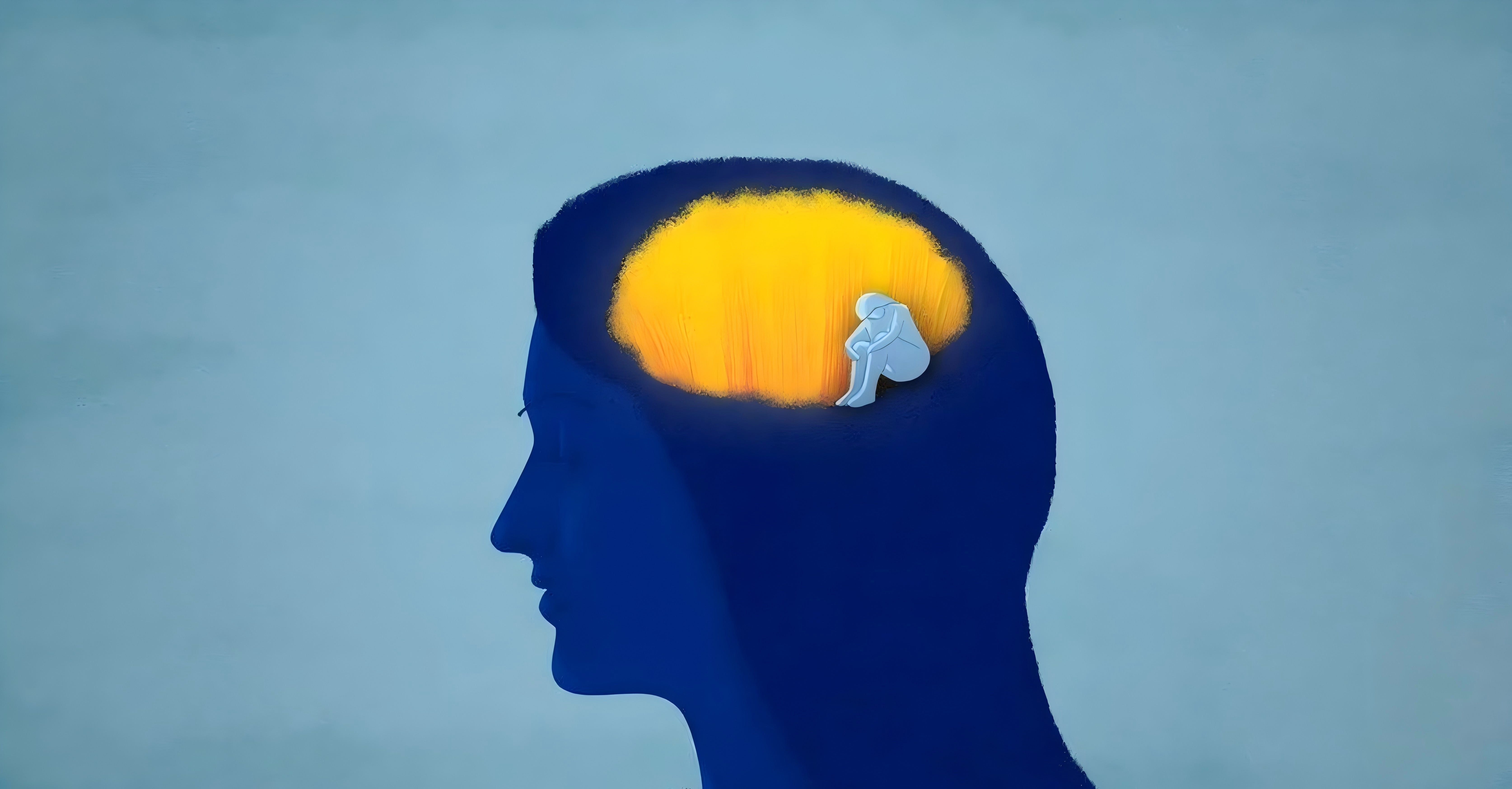
The Most Dangerous Changes in Your Brain Are the Ones You Cannot Feel
Most people imagine brain decline as something dramatic.
A sudden memory loss.
A diagnosis.
A moment when you realize something has changed.
But neuroscience tells a much more unsettling story:
The brain rarely collapses overnight. It changes quietly, gradually, and invisibly — long before symptoms appear.
The uncomfortable truth is that some of the biggest influences on your brain health are not rare diseases or unavoidable genetics.
They are ordinary things.
The glass of wine you use to “relax.”
The sugar you eat because you “deserve a little comfort.”
The loneliness you normalize because “everyone is busy.”
These experiences seem harmless because they do not hurt immediately.
But inside the brain, they may be influencing:
how neurons communicate,
how memories are formed,
how emotions are regulated,
and how quickly the brain adapts or declines.
For years, scientists believed aging was the main enemy of the brain.
Now researchers are discovering something more complicated:
Your daily environment may be sending aging signals to your brain years before your birthday does.
The First Hidden Factor: Sugar — The Sweet Substance That Can Confuse Your Brain
Sugar does something fascinating to the brain.
It does not simply provide energy.
It interacts with the reward system.
When you eat something sweet, your brain releases dopamine — a chemical involved in motivation, pleasure, and reinforcement.
This is why sugary foods can feel emotionally comforting.
A stressful day?
A cookie feels like relief.
A difficult moment?
A sweet drink feels like a small reward.
But repeated stimulation of this reward pathway may gradually change how the brain responds.
The problem is not one dessert.
The problem is the pattern.
Modern diets expose the brain to levels of refined sugar that are very different from what humans evolved with.
Research has linked excessive sugar intake with:
increased inflammation,
impaired insulin signaling,
changes in brain regions involved in memory,
and possible effects on cognitive function.
One of the most surprising discoveries in neuroscience is that the brain is not isolated from metabolism.
Your brain is constantly listening to signals from your body.
Blood sugar.
Hormones.
Inflammation markers.
Your meals are not just feeding your body.
They are communicating with your brain.
The Cognitive Trap: “I’m Eating for Energy” — But Your Brain May Be Paying the Price
Many people believe brain performance depends mostly on stimulation:
More coffee.
More information.
More productivity.
But they ignore a basic truth:
The brain is a biological organ before it is a thinking machine.
A brain constantly exposed to metabolic stress may struggle with:
concentration,
emotional balance,
mental flexibility,
and long-term memory.
The irony?
The foods people often reach for when they feel mentally tired may contribute to the very fatigue they are trying to escape.
The Second Hidden Factor: Alcohol — The “Relaxation Habit” With a Hidden Cost
For decades, alcohol was often associated with social connection and relaxation.
A drink after work.
A glass of wine with dinner.
A way to “switch off” the mind.
But neuroscience has revealed a more complex picture.
Alcohol affects multiple brain systems simultaneously.
It influences:
neurotransmitter balance,
sleep quality,
emotional regulation,
and memory processing.
Many people think:
“I sleep better after drinking.”
But the brain tells a different story.
Alcohol may help you fall asleep faster, but it can disrupt the deeper stages of sleep that are essential for:
memory consolidation,
emotional processing,
and brain restoration.
In other words:
You may be unconscious.
But your brain may not be fully recovering.
The Dangerous Illusion of “Normal”
One of the most powerful psychological effects of alcohol is that the damage often arrives quietly.
There is no immediate warning signal.
No pain.
No obvious injury.
That is what makes it dangerous.
The brain can adapt to repeated exposure.
And adaptation can disguise decline.
A person may not notice:
“I am less focused.”
“My memory is slightly worse.”
“My emotions are harder to control.”
“My stress tolerance has decreased.”
Small changes accumulate.
And by the time someone notices, the pattern may have existed for years.
The Third Hidden Factor: Loneliness — The Social Condition That Changes the Brain
This may be the most surprising discovery.
Loneliness is not just an emotion.
It is a biological experience.
The brain evolved inside communities.
For thousands of years, human survival depended on connection.
Being isolated meant danger.
So the brain developed powerful systems to monitor social belonging.
Modern neuroscience has found that chronic loneliness can influence:
stress hormones,
inflammatory pathways,
emotional regulation networks,
and cognitive health.
The shocking part?
A person can be surrounded by people and still experience loneliness.
You can have:
hundreds of online connections,
constant notifications,
a busy schedule,
and still lack the deep human connection the brain needs.
Why Loneliness Can Accelerate Brain Aging
When the brain repeatedly experiences social disconnection, it may enter a state of increased threat awareness.
The mind becomes more focused on:
“What could go wrong?”
“Who can I trust?”
“Am I being rejected?”
Over time, this consumes mental resources.
The brain spends energy protecting itself instead of exploring, learning, and creating.
This is why loneliness can affect more than mood.
It can influence cognition.
The Biggest Cognitive Reversal: Your Brain Is Not Just Aging — It Is Adapting
Here is the idea that changes everything:
Your brain is not passively becoming older. It is constantly adapting to the environment you create.
Every day, your habits send instructions.
Sugar sends one signal.
Alcohol sends another.
Isolation sends another.
Over time, these signals shape the brain’s priorities.
The brain is asking:
“What environment am I living in?”
“What should I prepare for?”
“What patterns should I strengthen?”
Neuroplasticity means the brain can change.
But neuroplasticity works in both directions.
The brain can adapt toward decline.
And it can adapt toward resilience.
The 10-Minute Brain Reset: Small Signals, Big Changes
The solution is not perfection.
It is not eliminating every pleasure.
It is not becoming a monk.
The brain responds to consistent signals.
Small daily actions can create powerful biological changes:
1. Replace one daily sugar trigger
Not everything.
Just one.
A different breakfast.
A lower-sugar drink.
A smarter snack.
Your brain notices patterns.
2. Create alcohol-free recovery windows
Give your brain time to restore normal sleep architecture and emotional balance.
3. Protect social connection like medicine
A meaningful conversation.
A walk with someone.
A phone call.
Human connection is not a luxury.
It is a biological need.
The Question Most People Ask Too Late
The biggest mistake people make about brain health is waiting for a warning sign.
They wait until:
Memory feels weaker.
Focus disappears.
Mood changes.
Energy declines.
But the brain does not suddenly become unhealthy.
It changes through thousands of invisible moments.
The food you choose.
The drink you pour.
The conversations you avoid.
The relationships you maintain.
The habits you repeat.
These are not small things.
They are messages your brain receives every day.
The Future of Your Brain Is Being Written Today
You cannot control every factor affecting your brain.
You cannot stop time.
You cannot rewrite your genetics.
But you can influence the environment your brain lives in.
The most important question is not:
“How old is my brain?”
The better question is:
“What signals am I sending my brain every day?”
Because the brain you have ten years from now is being shaped by the choices you make today.
And the most dangerous changes are often the ones happening quietly.
Before you notice.
Before you worry.
Before you finally decide to act.
Continue Reading:
The truth is, understanding what damages your brain is only the first step.
The more important question is: What can you do now to protect and rebuild your brain’s resilience before small changes become permanent?
Your brain is changing every day.
The only question is whether those changes are working for you — or against you.
Become a paid subscriber , Your future mind may depend on the decisions you make today.
If you enjoyed this article and would like to support more deep, valuable, and thought-provoking content, you can buy me a coffee ☕
Your support is more than a tip.
It helps an independent creator keep writing, stay free, and continue producing meaningful work without being driven by algorithms.
Every cup of coffee helps fuel the next article worth reading.
Thank you for reading until the end.
The most valuable thing online isn’t traffic—it’s people like you who choose to support real value.
If this article spoke to you, share it.
Someone else may be waiting for the insight you discovered today.
Neuroscientists reveal the hidden mechanisms behind memory decline, emotional changes, and accelerated brain aging — and why the habits you repeat every day may matter more than your age.